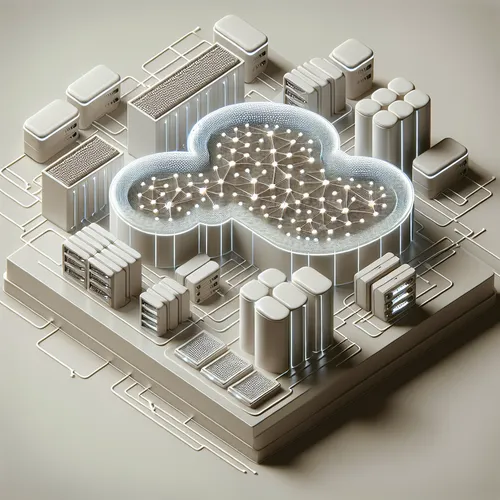

Harnessing AI for Edge Computing: A Step-by-Step Guide
Edge computing brings data processing closer to the source, reducing latency and bandwidth use. Integrating artificial intelligence (AI) into edge devices amplifies these benefits by enabling real-time insights and intelligent automation. This guide walks you through setting up AI-powered edge computing applications efficiently.
Prerequisites
- Basic understanding of AI and machine learning concepts.
- Familiarity with edge computing architecture and IoT devices.
- Development environment: Python 3.x installed.
- Edge device (e.g., Raspberry Pi 4, NVIDIA Jetson Nano) with internet access.
- Installed libraries: TensorFlow Lite or PyTorch Mobile for edge AI deployment.
Step 1: Choose the Right Edge AI Model
Select a lightweight AI model suitable for your device’s hardware constraints. TensorFlow Lite (Official site) offers optimized models for edge devices. Consider models pre-trained for your application (image recognition, anomaly detection, etc.) or train a custom model using transfer learning.
Step 2: Set Up the Edge Device
Prepare your hardware by updating the operating system and installing necessary dependencies. For Raspberry Pi, run:
sudo apt-get update
sudo apt-get upgrade
sudo apt-get install python3-pip
pip3 install numpy tensorflow-lite
If using NVIDIA Jetson Nano, follow NVIDIA’s setup guide to install JetPack SDK and AI frameworks.
Step 3: Deploy AI Model to Edge Device
Transfer the AI model file to your device. Use TensorFlow Lite Interpreter to load and run predictions. Sample Python code snippet:
import tensorflow as tf
interpreter = tf.lite.Interpreter(model_path="model.tflite")
interpreter.allocate_tensors()

input_details = interpreter.get_input_details()
output_details = interpreter.get_output_details()

# Prepare input data
input_data = ...  # Your input here
interpreter.set_tensor(input_details[0]['index'], input_data)
interpreter.invoke()

output_data = interpreter.get_tensor(output_details[0]['index'])
print("Inference result:", output_data)
Step 4: Integrate with IoT Sensors and Devices
Connect your edge device to sensors or cameras. Use protocols like MQTT or HTTP for data communication. For example, use Python’s paho-mqtt library to subscribe to sensor data streams and run inference on incoming data in real-time.
Troubleshooting Tips
- Performance Issues: Optimize your model size, consider quantization, or use hardware acceleration (like NVIDIA TensorRT on Jetson devices).
- Connectivity Problems: Ensure stable network setup. Use offline inference if connectivity is limited.
- Compatibility Errors: Verify that your TensorFlow or PyTorch version matches the edge deployment requirements.
Summary Checklist
- Understand your AI application requirements and device capabilities.
- Select and optimize an AI model for edge deployment.
- Prepare and set up the edge computing device environment.
- Deploy and run AI inference on the edge device.
- Integrate AI with IoT sensors and handle real-time data.
- Monitor performance and troubleshoot common issues.
For more on AI-powered automation, check our related guide on Getting Started with AI-Powered DevOps Automation.
About the Author