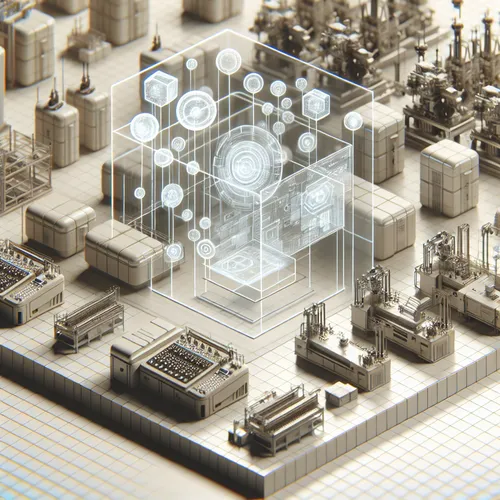
Building AI-Powered Digital Twins: A Practical Guide
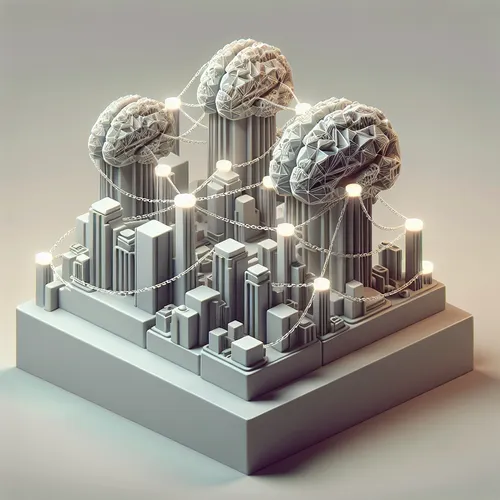
Digital twins are virtual replicas of physical objects, systems, or processes. By integrating artificial intelligence (AI), these twins become powerful tools for predictive maintenance, optimization, and smart manufacturing. This guide walks you through the essential steps to build AI-powered digital twins effectively.
Prerequisites
- Basic understanding of AI and machine learning concepts
- Familiarity with IoT sensors and data collection methods
- Experience with data analytics and modeling tools
- Programming skills in Python or relevant languages
Step 1: Define the Physical Asset and Scope
Clearly identify the physical asset or system to model. Define the objectives for the digital twin, such as improving efficiency, troubleshooting faults, or predicting failures.
Step 2: Data Collection and Integration
Equip the physical asset with IoT sensors to collect real-time data. Integrate historical operational data, environmental variables, and maintenance records to enrich your dataset.
Tip:
Ensure data quality and consistency for accurate modeling.
Step 3: Develop the Digital Twin Model
Use data analytics and machine learning libraries such as TensorFlow (Official site) or PyTorch to build predictive models. Simulate the behavior of the physical asset using this model under varying conditions.
Modeling approaches include:
- Physics-based models
- Data-driven AI models
- Hybrid models combining both approaches
Step 4: Real-Time Data Streaming and Synchronization
Establish pipelines for streaming live sensor data to update the digital twin continuously. Synchronize changes in the physical asset with your virtual replica to mirror its state accurately.
Step 5: Analytics and Predictive Maintenance
Leverage AI algorithms to analyze data trends and predict failures before they happen. Implement alert systems to notify maintenance teams proactively.
Troubleshooting Common Issues
- Inaccurate data: Regularly calibrate sensors to maintain data accuracy.
- Model drift: Retrain AI models periodically with new data for improved accuracy.
- Latency in data streaming: Optimize network infrastructure and data pipelines.
Summary Checklist
- Define clear goals for the digital twin
- Collect high-quality real-time and historical data
- Choose and build appropriate AI and physics-based models
- Ensure synchronization between physical asset and digital twin
- Implement predictive analytics for maintenance and optimization
Interested in more AI applications in cloud environments? Check out our comprehensive Mastering AI-Powered Cloud Security: A Complete Guide for securing cloud infrastructures with AI.
About the Author