
Ultimate Guide to AI-Powered Cybersecurity Mesh
In today’s highly connected digital landscape, traditional centralized cybersecurity approaches often fall short. AI-powered cybersecurity mesh offers a revolutionary approach that enhances security by decentralizing and distributing cyber defense. This guide explores the fundamentals, implementation steps, troubleshooting tips, and key benefits of AI-driven cybersecurity mesh.
What is Cybersecurity Mesh?
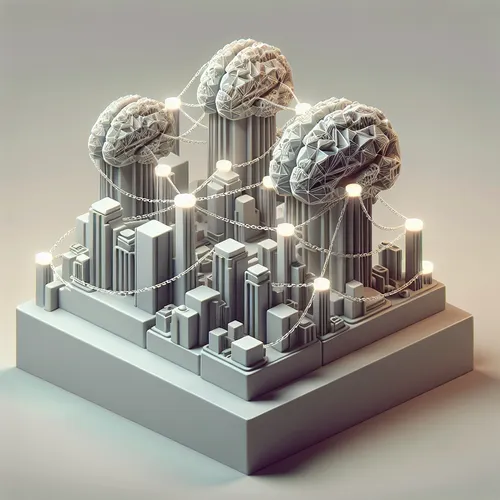
Cybersecurity mesh refers to a flexible, modular security architecture that connects various security services and controls across all network nodes and endpoints. By leveraging AI, the mesh becomes dynamic and adaptive, predicting and responding to threats more efficiently than static defenses.
Why Use AI in Cybersecurity Mesh?
- Real-time threat detection: AI analyzes vast amounts of data to quickly identify anomalies.
- Automated response: AI systems can initiate responses to threats without human delay.
- Scalability: Mesh architectures scale with organizational growth.
- Context-aware security: AI contextualizes threats to prioritize responses.
Prerequisites
- Basic knowledge of cybersecurity principles and network architecture.
- Familiarity with AI concepts and automation tools.
- Access to security platforms that support AI integrations (e.g., SIEM, SOAR).
- Infrastructure to deploy distributed agents or sensors across endpoints.
Step-by-Step Implementation
1. Assess Your Current Security Posture
Understand your network map, critical assets, and current security controls’ strengths and weaknesses.
2. Choose Compatible AI-Powered Security Tools
Select AI-enabled tools such as intrusion detection systems (IDS), endpoint detection and response (EDR), and security orchestration platforms that support integration into a mesh framework.
3. Deploy Distributed Security Agents
Install lightweight agents or sensors on endpoints, cloud workloads, and network nodes to collect data and enforce policies.
4. Integrate and Connect Security Components
Ensure all agents and tools can communicate and share threat intelligence across the mesh dynamically.
5. Configure AI-Driven Analytics and Automated Responses
Set up AI models to analyze incoming data streams for anomalies and define automated actions for standard threat types.
6. Continuous Monitoring and Improvement
Regularly update AI models with new threat data and adapt mesh configurations to evolving risks.
Troubleshooting Common Issues
- Data Overload: Use filtering and prioritization to focus AI on relevant signals.
- Integration Challenges: Opt for tools supporting open standards and APIs.
- False Positives: Continuously train AI models with verified threat data to minimize noise.
- Latency in Response: Optimize network conditions and AI processing power for faster reactions.
Summary Checklist
- Assess existing security and identify gaps.
- Select AI-powered, mesh-compatible tools.
- Deploy distributed agents across all critical areas.
- Ensure seamless communication between mesh components.
- Configure AI for real-time analytics and automation.
- Regularly update knowledge base and AI models.
- Monitor performance and adapt to new threats.
For more advanced AI cybersecurity automation strategies, check our post Mastering AI-Powered Cybersecurity Automation.
For deeper understanding of network security integration, visit the ENISA Cybersecurity Mesh Guide (Official site).
About the Author