
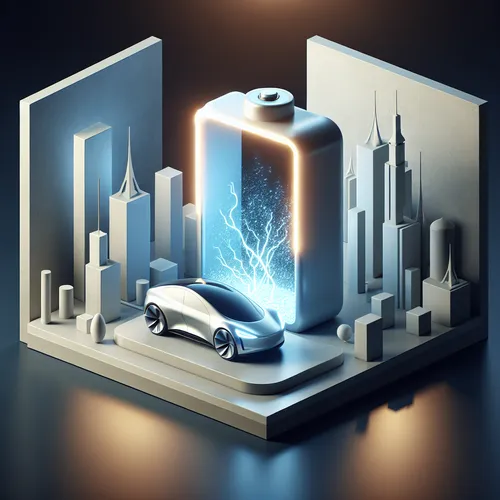
Toyota Announces Solid-State Battery EV with 1000km Range: A Game Changer
Toyota, a global leader in automotive innovation, has unveiled its latest breakthrough in electric vehicle technology: a solid-state battery EV capable of an impressive 1000-kilometer range on a single charge. This development signals a major leap forward in addressing the range anxiety concerns associated with traditional lithium-ion electric vehicles and showcases Toyota’s commitment to sustainable and efficient transportation.
What Is a Solid-State Battery?
Solid-state batteries differ from conventional lithium-ion batteries primarily in the electrolyte used. Instead of a liquid or gel electrolyte, they use a solid electrolyte, which offers several advantages:
- Higher Energy Density: Solid electrolytes allow for more compact, lighter batteries that store more energy.
- Improved Safety: The solid material reduces the risk of leaks and inflammability, making batteries safer.
- Longer Lifespan: Reduced degradation over charging cycles means longer battery life.
- Faster Charging: Enhanced ionic conductivity permits quicker recharge times.
Why the 1000km Range Matters
Range has been one of the key barriers for many consumers hesitant about switching to electric vehicles. Toyota’s new solid-state battery technology breaks the 1000km (approx. 620 miles) barrier, which offers:
- Extended Driving Freedom: The ability to travel long distances without frequent recharging stops.
- Reduced Charging Anxiety: Confidence in battery endurance for daily use and trips.
- Competitive Edge: Surpasses many existing EVs that struggle to hit 400-500km per charge.
Step-by-Step Guide to Understanding Toyota’s Solid-State Battery EV Development
For those interested in the technical and practical aspects of this innovation, here’s a simplified breakdown:
- Step 1: Research & Material Innovation: Toyota invested years into perfecting solid electrolytes that are stable, conductive, and scalable for automotive use.
- Step 2: Battery Cell Design: Engineers optimized the cell architecture to boost energy density and thermal management.
- Step 3: Prototype Vehicles: Early prototypes were built and subjected to rigorous real-world testing under various conditions.
- Step 4: Integration with Vehicle Systems: Ensuring compatibility with Toyota’s EV powertrains and electronic control systems.
- Step 5: Scale Manufacturing: Plans were laid for mass production lines that can produce solid-state batteries efficiently and affordably.
- Step 6: Launch and Market Introduction: Toyota officially announced the new EV featuring this battery, opening pre-orders and public display events.
Prerequisites for Consumers and Industry
- Charging Infrastructure: Although the range reduces charging frequency, fast-charging stations remain essential for convenience.
- Cost Considerations: Manufacturing solid-state batteries currently costs more, but Toyota’s innovations aim to gradually lower prices.
- Battery Recycling: Sustainable end-of-life plans for batteries are critical to maintain environmental benefits.
Troubleshooting and Challenges
While solid-state batteries offer many benefits, several challenges need ongoing attention:
- Scaling Production: Producing batteries at high volume with consistent quality is complex.
- Material Availability: Some solid electrolyte materials can be rare or expensive.
- Durability Under Harsh Conditions: Ensuring batteries perform reliably across temperature extremes.
- Integration Challenges: Compatibility with existing EV systems requires continual engineering improvements.
Summary Checklist
- Understand solid-state battery technology and its advantages.
- Recognize how Toyota’s 1000km range EV can impact market adoption.
- Know the developmental stages of the vehicle and battery design.
- Identify prerequisites such as charging infrastructure and recycling plans.
- Acknowledge current challenges in manufacturing and durability.
For additional insights into emerging technologies and practical tech tutorials, check out our guide on how to use Flask blueprints for modular web apps. It’s a different domain but offers great learning on modular technology design and implementation.
Conclusion
Toyota’s announcement of a solid-state battery electric vehicle with a remarkable 1000km range marks a pivotal moment in automotive and battery technology. This advancement promises longer journeys, increased safety, and an exciting future for electric mobility. As production begins and the technology matures, solid-state batteries could soon become the new standard in EVs, powering the shift toward cleaner and more sustainable transportation worldwide.
About the Author